
Japan + Korea
BoomFlix
171 live-action films, 125 from Japan and 46 from Korea, 1951 to 2026, chosen for the whole household.
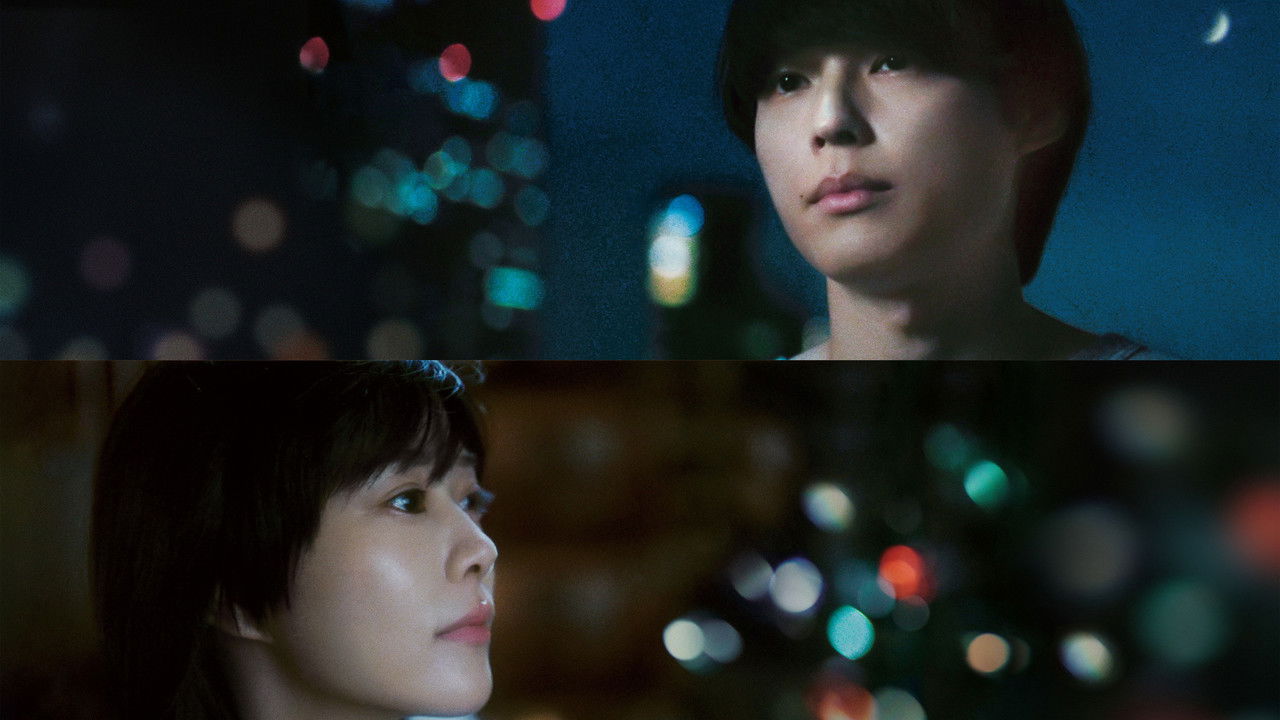 5 Centimeters per Second · 2025



 Japan
Japan Japan
Japan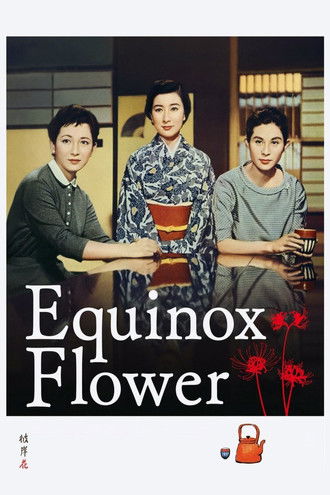 Japan
Japan Japan
Japan Japan
Japan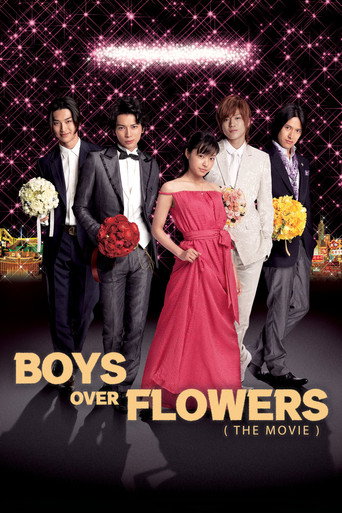 Japan
Japan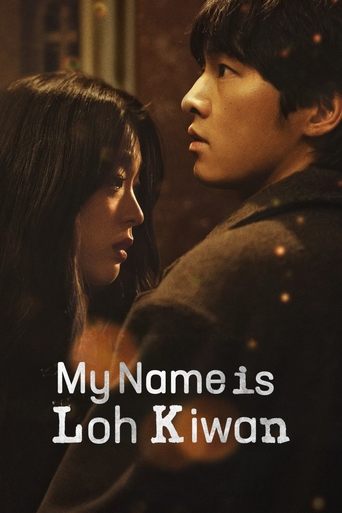 Korea
Korea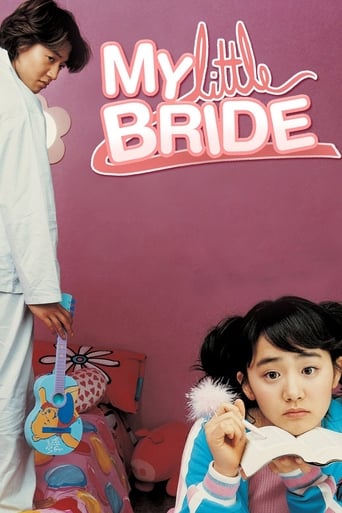 Korea
Korea Korea
Korea Korea
Korea Korea
Korea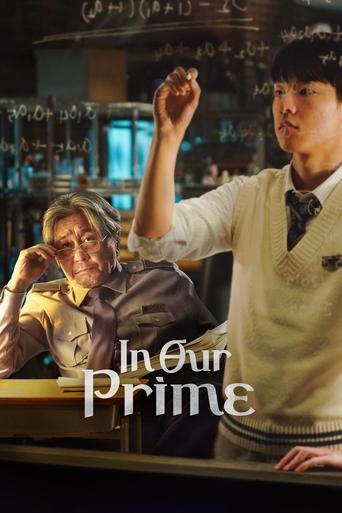 Korea
Korea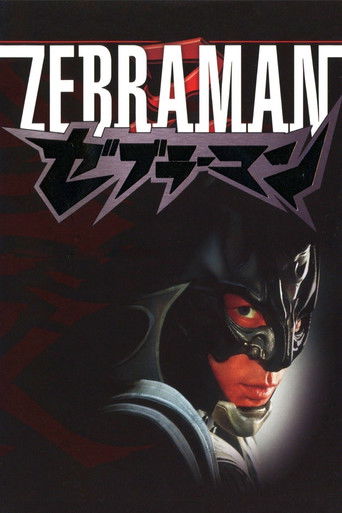 Japan
Japan Japan
Japan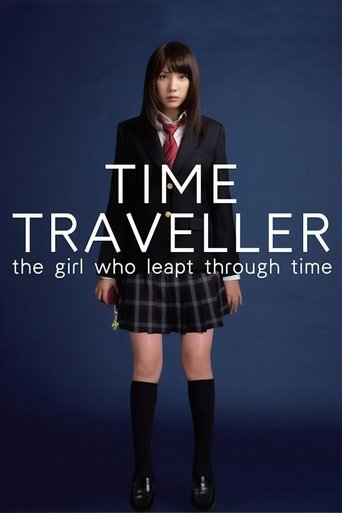 Japan
Japan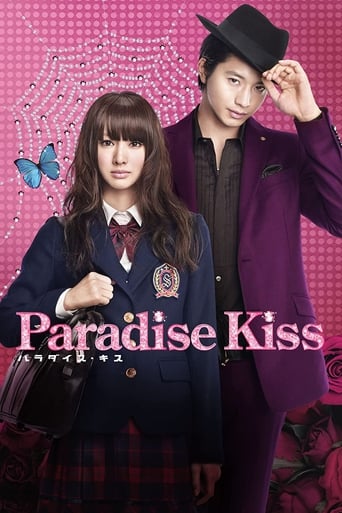 Japan
Japan Japan
Japan Japan
Japan Japan
Japan Japan
Japan Japan
Japan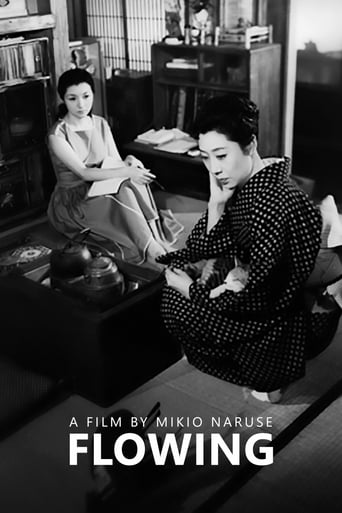 Japan
Japan Japan
Japan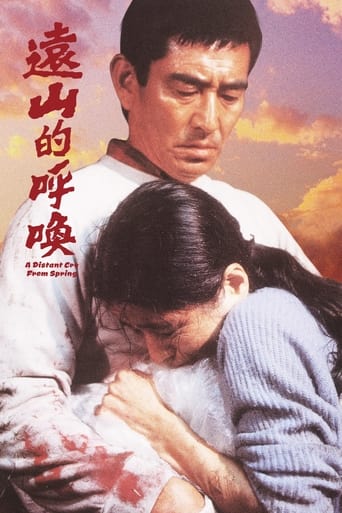 Japan
JapanFilms from Japan and Korea for the whole household: the BoomFlix guide
BoomFlix: films from Japan and Korea, from An Autumn Afternoon, Flying Colors and Always: Sunset on Third Street 2 to Sopyonje, Soulmate and The World of Us
Japan and Korea face each other across a narrow sea, and their cinemas, for all the differences between them, share a great deal: a gift for stories about families and schools, an unhurried eye for the seasons and for food, and a way of letting large feelings show in small gestures. BoomFlix is a guide to 171 live-action films from the two countries, 125 in Japanese and 46 in Korean, made between 1951 and 2026. Each has its own page, its story, its director and cast, and a Watch now button that leads to the official services carrying it in your country.
The catalogue has been chosen for the whole household. Every film was read through by hand, and the selection favours comedies, school stories, romances, family dramas and the gentler classics. Crime films, horror, films of the battlefield and titles made strictly for adults were left out, and animation, which has guides of its own, is absent too. What remains is the cinema that the two countries make for themselves: a girl at the bottom of her class who decides to try for the best university in the country, a café on a northern lake that bakes one kind of bread for each customer, a father teaching his children the old sung stories of Korea as they walk from village to village.
The numbers give a first idea of the shape. Eighty-two of the films are comedies, sixty-eight are romances and one hundred and eighteen are dramas of one kind or another; sixty-three turn on a family and sixty-one are set in a school or among the young. Twenty-one are classics made before 1990, among them four by Yasujiro Ozu, and twenty-seven have appeared since 2020. Thirty-four carry a score of 7.4 or higher from the viewers of TMDB.
A first-time visitor can begin with any of six films. An Autumn Afternoon is the last work of the greatest of Japanese directors. Flying Colors is the true story of a schoolgirl's year of study. Always: Sunset on Third Street 2 returns to a back street of Tokyo in 1959. Sopyonje is the film that brought Korea's traditional music back to its own people. Soulmate follows two friends from childhood to their late twenties, and The World of Us is a small, exact film about the friendships of ten-year-old girls.
How the collection is arranged
BoomFlix is drawn in thick black lines on cream paper, with red and yellow for emphasis. The header carries a starburst logo, a bold menu, a search field and a red My List button. The home page opens with the heading beside a film still that sits slightly askew, like a photograph pinned to a board, and two buttons, Films from Japan and Films from Korea. Beneath it the top five films are numbered in yellow circles, and then come the rows: From Japan, From Korea, School and youth, and Classics. Every poster has a hard black shadow and a small label saying which country it comes from, and each row ends in a See all link.
The lists are the main way through the catalogue. Japan and Korea divide it by language. Comedy, Romance, Drama and Family sort the films by kind, and School and youth, Music and Period films by subject. Classics holds everything made before 1990, five lists divide the later films by year, and Top rated has the thirty-four with the strongest scores.
The film pages are all laid out alike. The poster sits to the left of the English title, under which the original title appears in its own script; a row of labels gives the year, the running time and the score. The story is set out in a paragraph and the director and main actors are named beneath. After that comes the Watch now button and its country menu. BoomFlix remembers the country you choose, and the button opens the JustWatch page for that film, with every service that streams, rents or sells it there.
Ozu and the classics
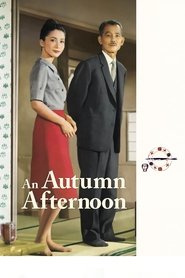
Twenty-one films were made before 1990, and four of them are by Yasujiro Ozu, whose quiet films about Japanese families are regularly placed among the best ever made anywhere. His subject hardly changed in thirty years: parents and grown children, and the moment when a daughter marries and leaves the house. His camera sits low, at the height of someone kneeling on a mat, and seldom moves; his people speak politely about small things while their lives turn. An Autumn Afternoon (1962), his last film, is about a widower, played by Chishu Ryu, who slowly accepts that he must let his daughter go, and comes home from the wedding to an empty kitchen. It is in colour, as gentle as its title, and a perfect introduction.
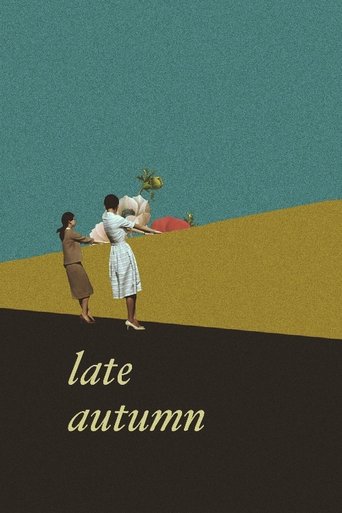
Late Autumn (1960) reverses the situation: here it is a widowed mother whose daughter refuses to marry and leave her alone, and three well-meaning friends of her late husband who decide to arrange both their futures at once. It is the funniest of Ozu's late films. Equinox Flower (1958), his first in colour, is about a businessman who gives broad-minded advice to other people's daughters and is outraged when his own chooses a husband for herself. The Flavor of Green Tea Over Rice (1952) concerns a childless couple, a lively wife from a wealthy family and a plain-living husband, who have drifted apart and find each other again over the simplest of late-night meals. Ozu also wrote The Moon Has Risen (1955), a comedy of three sisters in the old capital of Nara, which was directed by the great actress Kinuyo Tanaka.
His contemporaries are here as well. Mikio Naruse, the poet of women who keep going, is represented by Lightning (1952), about a young bus conductor determined to escape her quarrelsome family, and by Flowing (1956), set in a house of entertainers in Tokyo whose trade is passing away, with a cast of the finest actresses of the day. Carmen Comes Home (1951), by Keisuke Kinoshita, was the first Japanese feature in colour: a country girl who has become a dancer in Tokyo returns to her mountain village in bright dresses, to the consternation of her father and the delight of everyone else. Giants and Toys (1958) and The Blue Sky Maiden (1957) are two fast, bright films by Yasuzo Masumura, the first a satire on three caramel companies and their advertising campaigns, the second the story of a cheerful girl sent to live with her father's disapproving family.
The later classics are of several kinds. Muddy River (1981), by Kohei Oguri, is set on a riverbank in Osaka in 1956, where a boy whose parents keep a small restaurant makes friends with a brother and sister who live on a houseboat; filmed in black and white, it was nominated for an Academy Award. A Distant Cry from Spring (1980), by Yoji Yamada, brings a silent stranger, played by Ken Takakura, to a dairy farm in Hokkaido run by a widow and her small son. Antarctica (1983) tells the true story of the sled dogs left behind by a Japanese expedition in 1958 and the two that were found alive a year later; it held the record for the most successful Japanese film for many years.
The Family Game (1983), by Yoshimitsu Morita, is a cool and very funny satire in which a private tutor is hired to improve a schoolboy's marks and rearranges the whole household; the family eats its meals side by side along one edge of a long table, facing the camera. Morita also made Main Theme (1984) and And Then (1985), from a novel by Natsume Soseki. Nobuhiko Obayashi is represented by two films of young love on the Inland Sea, Lonely Heart (1985) and His Motorbike, Her Island (1986). Princess from the Moon (1987), by Kon Ichikawa, retells the oldest of Japanese tales, about a bamboo cutter and the shining child he finds, and The Legend of the Stardust Brothers (1985) is a pop musical that has become a favourite with a new generation. Street of Love and Hope (1959) was the first film of Nagisa Oshima.
School films from Japan
The school film is the most popular form in modern Japanese cinema, and the list is long. Flying Colors (2015) is the best place to begin. Sayaka is in her second year of high school, has dyed hair and the general knowledge of a much younger child, and has been written off by her teachers and her father. Her mother enrols her at a small cram school, where a tutor who refuses to give up on anybody asks which university she would like to attend; she names the most famous private university in the country, and he takes her at her word. The story is true, and Kasumi Arimura makes every step of it believable.
Clubs supply many of the plots, since every Japanese pupil belongs to one. Let's Go, Jets! (2017) is the true story of a cheer dance team from a provincial school that won a championship in America within three years of its founding. Chihayafuru: Part II (2016) follows a team of players of a traditional card game based on a hundred classical poems, which is played at astonishing speed. Asahinagu (2017) is set in a club that practises fighting with the long-bladed pole, Tori Girl! (2017) in a university club that builds a pedal-powered aircraft for an annual contest on a lake, and Have a Song on Your Lips (2015) in the choir of a school on a small southern island, which is taken over for a term by a pianist from Tokyo who has stopped playing.
School romances, many of them from popular comics, form a shelf of their own: Lovely Complex (2006), about the tallest girl and the shortest boy in the class, High School Debut (2011), Say 'I Love You' (2014), Love for Beginners (2012), Peach Girl (2017), Marmalade Boy (2018), You, I Love (2018), Closest Love to Heaven (2017), Come Kiss Me at 0:00AM (2019), One in a Hundred Thousand (2020), We Were There: True Love (2012), Honey and Clover (2006), set at an art college, and Paradise Kiss (2011), in which a studious schoolgirl is asked to model for a group of fashion students. Touch (2005) is from one of the best-loved baseball stories ever drawn, about twin brothers and the girl next door.
Comedy from Japan
Japanese comedy has a wide range, from the gently eccentric to the gloriously absurd. Thermae Romae II (2014) is at the absurd end. Lucius, an architect of public baths in ancient Rome, played with complete seriousness by Hiroshi Abe, is in the habit of slipping through time to modern Japan each time he runs short of ideas, and carrying home what he finds: the heated toilet seat, the water slide, the mixed-bath hot spring. Fly Me to the Saitama (2019) imagines a Japan in which the people of the unfashionable prefecture next to Tokyo are forbidden to enter the capital, and rise up. The Apology King (2013) follows the head of a centre that teaches people how to say sorry, and The Calamari Wrestler (2004) is exactly what its title promises.
The period comedy is a recent success. Samurai Hustle (2014) is based on a real rule of the old shogunate, which required each provincial lord to travel to the capital with his retinue at regular intervals: a small and poor domain is ordered to make the journey in five days instead of ten, and its good-natured lord and seven samurai set off at a run. Samurai Hustle Returns (2016) sends them home again. A Boy and His Samurai (2010) brings a warrior of the 1820s to a modern Tokyo flat, where he discovers a talent for baking, and A Samurai in Time (2024) drops another onto a film set where period dramas are being made; shot on a tiny budget, it became one of the surprises of its year. The Untold Tale of the Three Kingdoms (2020) retells a Chinese epic as farce.
The quiet comedies are perhaps the most characteristic. Glasses (2007), by Naoko Ogigami, takes a tense woman from the city to a small inn on a southern island, where the other guests spend their days doing something they call twilighting, which consists of sitting and looking at the sea; little by little she learns how. Bread of Happiness (2012) is set in a café beside a lake in Hokkaido, through four seasons and four sets of visitors. Turtles Are Surprisingly Fast Swimmers (2005) is about a bored housewife who answers a tiny advertisement for spies and is told that her task is to remain entirely ordinary. Fine, Totally Fine (2008), Seto and Utsumi (2016), in which two schoolboys sit by a river and talk, Tamako in Moratorium (2013), Fukuchan of Fukufuku Flats (2014) and Tada's Do-It-All House (2011) are of the same family.
Supermarket Woman (1996), by Juzo Itami, is a comedy of retail: a housewife with strong views on freshness is hired by an old schoolfriend to save his failing shop from the bargain store across the road. Several films continue popular television series, among them Gokusen: The Movie (2009), the two Legal High SP specials, The Confidence Man JP - The Movie - (2019), Trick the Movie: Last Stage (2014), The Way of the Househusband: The Cinema (2022), Cromartie High School: The Movie (2005) and BOYS OVER FLOWERS the movie (2008). Psychic Kusuo (2017), Policeman and Me (2017) and My Darling Is a Foreigner (2010), about a Japanese cartoonist and her American husband, are lighter still.
Music
Fourteen films are built around music. The two Nodame Cantabile films complete a much-loved television story about a brilliant, disorderly pianist and the young conductor she adores. In Nodame Cantabile: The Movie I (2009) he takes over a struggling orchestra in Paris, and in Nodame Cantabile: The Movie II (2010) she faces her own first concert; both were filmed in the concert halls of Europe and are full of Beethoven, Ravel and Chopin, played with real feeling. BECK (2010) follows a schoolboy into a rock band, Solanin (2010) a young woman who takes up the guitar her boyfriend left behind, and Farewell Song (2019) a duo on their last tour. Brass Knuckle Boys (2009) is a comedy about a record company clerk who signs a punk band from an old video, only to learn that its members are now in late middle age.
From Korea comes Sopyonje (1993), described below, together with Waikiki Brothers (2001), a wistful film about a covers band that has drifted from the capital to the hotel lounges of a provincial town, where its leader meets the people he was at school with, and Life Is Beautiful (2022), a musical in which a wife and husband travel the country in search of her first love, to the pop songs of four decades.
Dramas from Japan
The Japanese family drama lived on after Ozu. Always: Sunset on Third Street 2 (2007) and Always: Sunset on Third Street '64 (2012), directed by Takashi Yamazaki, are set in a lane of small houses and workshops in the shadow of the new Tokyo Tower: a car repair shop with a hot-tempered owner, a struggling writer who keeps a sweet shop, a boy who has been left in his care. The first of the two films here takes place in 1959 and the second in the year of the Tokyo Olympics, and both recreate the city of that time in loving detail. They are among the most popular Japanese films of this century.
Her Love Boils Bathwater (2016) stars Rie Miyazawa as a mother who runs a family bathhouse and, on learning that she is ill, sets about putting everyone's life in order, beginning with the husband who walked out. Dear Doctor (2009), by Miwa Nishikawa, is about the beloved doctor of a mountain village who disappears one day, and what the villagers and a young trainee then learn about him. Moving (1993), by Shinji Somai, sees the separation of two parents through the eyes of their eleven-year-old daughter in Kyoto, and Oshin (2013) retells the childhood of the heroine of a famous television serial, a girl of seven sent out to work in the snow country in 1907.
Films about the young are often the most original. The Fish Tale (2022) is based on the life of a well-known television naturalist who, as a child, cared only about fish; the part is played, quite naturally, by the actress Non, and the film is a joyful argument for letting children follow what they love. Renoir (2025) is a portrait of an imaginative girl of eleven in the Tokyo of 1987, and My Small Land (2022) of a Kurdish schoolgirl growing up in a suburb north of the capital. And So We Put Goldfish in the Pool. (2017) is a sharp half-hour about four bored girls in a provincial town, and Ito (2021) follows a shy girl from the north who plays the three-stringed lute of her region and takes a job in a café.
Naomi Kawase is represented by her first feature, Suzaku (1997), about a family in a mountain village in Nara that is slowly emptying, which won the prize for a first film at Cannes, and by Shara (2003). The Tale of Iya (2013) is set in one of the remotest valleys of Japan, and The Night I Swam (2018) follows a small boy who sets out through the snow to take a drawing to his father at the fish market. Voices in the Wind (2020) is about a girl who travels the length of the country to a telephone box on a hill, where people go to speak to those they have lost. Tokyo Taxi (2025), by Yoji Yamada, puts an elderly lady in the back of a cab for one last drive across the city.
Work is the subject of The Last Recipe (2017), in which a chef who can reproduce any dish he has tasted is asked to recover a lost banquet menu; Anime Supremacy! (2022), about two rival directors of television cartoons; Theatre: A Love Story (2020); Hibiki (2018), about a schoolgirl novelist of alarming talent; and Brave Hearts: Umizaru (2012), a rescue drama of the coast guard. HOKUSAI (2021) tells the life of the artist who drew the great wave, and KANO (2014), made in Taiwan largely in Japanese, the true story of a school baseball team of 1931.
Romance from Japan
Japanese screen romance has a strain of sweet sorrow. Midnight Sun (2006) is about a girl who must stay out of daylight and sings at night in front of a railway station, and the surfer she has watched from her window. I Give My First Love to You (2009), The Girl in the Sun (2013), Tears for You (2006), I Just Wanna Hug You (2014) and Perfect World (2018), in which an interior designer meets her first love again and finds that he now uses a wheelchair, are all stories of love tested by illness or accident, told with restraint.
Others are lighter. Threads - Our Tapestry of Love (2020) follows two people who meet at thirteen through the thirty years of one imperial reign. April, Come She Will (2024) sends a psychiatrist in search of the fiancée who has left on the eve of their wedding, by way of letters from his first love. 5 Centimeters per Second (2025) is a live-action version of a celebrated animated film about two childhood friends parted by distance. About Love (2005) tells three short stories in Tokyo, Taipei and Shanghai, and My Korean Teacher (2016) and Su-ki-da (2006) are quiet films of second chances. Time Traveller: The Girl Who Leapt Through Time (2010) sends a daughter back to the 1970s to deliver a message for her mother.
Korea
Korean cinema is known abroad chiefly for its thrillers, and BoomFlix shows another side of it. Sopyonje (1993), directed by Im Kwon-taek, is the essential film. Pansori is the traditional Korean art of sung storytelling, performed by one singer and one drummer, and by the 1950s it was losing its audience to new music. The film follows a singer who wanders the southern countryside with two adopted children, teaching the girl to sing and the boy to drum, and demanding of them a devotion to the art that costs them dearly. One scene, in which the three sing a folk song as they walk down a winding path between fields, in a single unbroken shot of more than five minutes, is among the most famous in Korean film. On its release the film drew audiences that astonished the industry and sent a generation back to its own music.
The films of childhood are a particular strength. The World of Us (2016), the first feature by Yoon Ga-eun, begins with a class choosing teams, and a girl of ten waiting to be picked last. In the summer holidays she makes a friend, a new girl who has just moved to the district; when school starts again the friend finds a better place in the class, and the film watches with great honesty how children hurt and forgive one another. The same director made The House of Us (2019), about three girls who set out to mend their families. Moving On (2020) spends a summer with a brother and sister in their grandfather's old house, Treeless Mountain (2009) follows two small sisters left with an aunt, and The Recorder Exam (2011) is a short film about a girl of nine practising for a school music test.
Korean romantic comedy had its golden years in the early 2000s, and several favourites are here. My Little Bride (2004) is about a schoolgirl who is married, by her grandfather's wish, to a family friend at university, and has to keep it secret from her class. Please Teach Me English (2003) sends a town-hall clerk to an evening class, where she falls for a shoe salesman who is there for reasons of his own. Too Beautiful to Lie (2004) stars Kim Ha-neul as a woman with a talent for stories who is taken, in a country town, for a pharmacist's fiancée. He Was Cool (2004), Spy Girl (2004), Crazy First Love (2003), When Romance Meets Destiny (2005) and Seducing Mr. Perfect (2006) belong to the same period, and My Girlfriend Is an Agent (2009) is an action comedy about a couple who are both secret agents and each believe the other has a dull office job.
Quieter love stories include The Contact (1997) and Art Museum by the Zoo (1998), two films that began the modern Korean romance; Once in a Summer (2006), in which a retired professor remembers a village girl he met as a student in 1969; Season of Good Rain (2009), set in the Chinese city of Chengdu; Gyeongju (2014), a day and a night in the old royal capital; My Dear Enemy (2008), in which a woman spends a day driving round Seoul with a charming former boyfriend who owes her money; Come Rain, Come Shine (2011); Daddy Long Legs (2005); My Girl and I (2005); Two Lights: Relumino (2017), about two members of a photography club for people with poor sight; and Endless Rain (2021).
Soulmate (2023) is the outstanding recent film. Mi-so and Ha-eun meet at the age of eleven on the island of Jeju, one reckless and one careful, and become inseparable; the film follows them through school, first love and the choices that take them to different cities, and is carried by the performances of Kim Da-mi and Jeon So-nee. In Our Prime (2022) stars Choi Min-sik as a school night watchman who was once a mathematician in the North, and who agrees to teach a struggling scholarship boy on condition that he works out every answer himself. My Name Is Loh Kiwan (2024) follows a young man from the North trying to start again in Belgium.
Comedy and family films complete the Korean list. Pilot (2024) is about a celebrated airline captain who loses his job and returns to the cockpit under his sister's name. Mr. Go (2013) is the story of a girl from a Chinese circus and her gorilla, who turns out to be a baseball hitter of genius. Le Grand Chef (2007) sets two cooks against each other for the knife of the last royal chef, and Baby and Me (2008) leaves a rebellious schoolboy in charge of an infant. Daddy You, Daughter Me (2017), Are We in Love? (2020), My Heart Puppy (2023), Salut d'Amour (2015), about a grumpy old man and the flower seller next door, Hitman: Agent Jun (2020), Part-Time Spy (2017), Officer of the Year (2011) and Detective K: Secret of the Lost Island (2015), a comic adventure of the Joseon era, are all made for a wide audience.
Two cinemas side by side
Putting the films of Japan and Korea on one shelf shows how differently two neighbours can tell similar stories. A Japanese film about a family tends to hold back: a glance, a pause, a cup set down a little too carefully. A Korean film about a family is more likely to let everyone say what they feel, loudly, over dinner, and then to make the audience laugh a minute later. Japanese comedies are fond of the oddball who goes his own quiet way; Korean comedies prefer the fast talker in an impossible position. Both countries love a school story, but the Japanese version is usually about a club and a summer tournament, and the Korean one about a friendship under strain.
The industries are organised differently too. Japan has made films in large numbers continuously since the 1920s, and its studios turn the most popular comics and television series into films as a matter of course, which is why so many titles here end in the words the movie. Korea's modern cinema is younger: it took its present shape in the late 1990s, when a new generation of directors and producers arrived together, and the romantic comedies and melodramas of those first years, several of which are on BoomFlix, were the films that won back the home audience.
The two also watch each other. Japanese comics are filmed in Korea and Korean dramas remade in Japan; actors work on both sides of the strait; and My Korean Teacher and About Love are small examples of films made across the border. KANO is a reminder that the history the countries of the region share was often hard, and that a baseball team could still bring people of three backgrounds onto one field.
Length and pace
Viewers new to these films sometimes remark on their pace. The classics of Ozu and Naruse run to about two hours and move at the unhurried speed of ordinary life, and the reward is that by the end the people on the screen are as familiar as relations. The modern Japanese mainstream film is usually a little under two hours, and the quiet comedies, Glasses and Bread of Happiness among them, are deliberately slow, since slowness is their subject. Korean popular films are brisker and often change mood several times, from farce to tears and back.
The shortest films in the catalogue are And So We Put Goldfish in the Pool., The Recorder Exam and Fireworks, Should We See It from the Side or the Bottom?, each well under an hour, and they make good companions for a longer film on the same evening. The running time of every film is shown among the labels at the top of its page, beside the year, so an evening can be planned to the minute.
Films for the family
Sixty-three films turn on a family, and a number are made for children and parents together. 10 Promises to My Dog (2008) follows a girl in Hokkaido and the golden retriever she is given at twelve, through the ten years of the dog's life; the promises of the title are the ones her mother asks her to make on the first day. Paco and the Magical Book (2008), by Tetsuya Nakashima, is a riot of colour set in a hospital, where a bad-tempered old tycoon is changed by a little girl who reads the same picture book every day. Ninja Kids!!! (2011), directed by Takashi Miike, is a slapstick adventure about the first-year class of a ninja school, and Mushi-Shi: The Movie (2007) is a quiet fantasy about a wandering healer in old Japan.
Heroes in costume have two films: Zebraman (2004), in which a timid schoolteacher who sews his own outfit discovers that the villains are real, and Gatchaman (2013), from a famous science-fiction team. Princess from the Moon suits older children, as do Antarctica, Oshin and The Fish Tale. From Korea, Mr. Go and Baby and Me are good choices, and The World of Us and The House of Us can be watched with children of the same age as their heroines and talked over afterwards.
Food and the seasons
Both cinemas pay close attention to food. A Tale of Samurai Cooking (2013) is set in the kitchens of a great lord in the seventeenth century, where the men of one samurai family have served for generations as cooks; a young woman with an extraordinary palate is married into the family to make something of its reluctant heir. The Last Recipe ranges from wartime Manchuria to modern Tokyo in search of a banquet of more than a hundred dishes. Bread of Happiness bakes its way through a northern year, and Glasses is punctuated by breakfasts, shaved ice and a lobster supper. In Korea, Le Grand Chef treats the preparation of beef soup with the gravity of a duel.
The seasons are just as carefully marked. The titles of Ozu say so plainly, and his films end as the weather turns. Fireworks, Should We See It from the Side or the Bottom? (1993), a short film by Shunji Iwai, belongs to the last day of a summer term; Au revoir l'été (2014) to the fortnight at the end of August that a girl spends at her aunt's house by the sea; Antarctica and The Night I Swam to deep snow. The Korean films of childhood are almost all summer films, set in the long school holiday when the days are hot and there is too much time.
Faces to follow
Following an actor from page to page is a pleasant way to explore. Chishu Ryu, the calm centre of Ozu's films, appears in all four of those here, and Setsuko Hara, the most luminous of his actresses, is the mother in Late Autumn. Among the stars of today, Hiroshi Abe leads Thermae Romae II and The Apology King; Kasumi Arimura Flying Colors; Aoi Miyazaki Solanin; Juri Ueno and Hiroshi Tamaki the Nodame films; and Masami Nagasawa The Confidence Man JP - The Movie - and Tears for You.
In Korea, Moon Geun-young, the heroine of My Little Bride, was known for years as the nation's little sister. Kim Ha-neul leads Too Beautiful to Lie and My Girlfriend Is an Agent; Jo Jung-suk Pilot; Choi Min-sik In Our Prime; Kim Da-mi Soulmate; Jeon Do-yeon and Ha Jung-woo My Dear Enemy; and Song Joong-ki My Name Is Loh Kiwan. The director Im Kwon-taek, who made Sopyonje, directed more than a hundred films in a career of fifty years.
A first month
A newcomer could spend a first month with BoomFlix as follows. In the first week watch Flying Colors, which wins everybody over, and The World of Us. In the second week try two comedies, Glasses and Pilot. In the third week go back to the classics with An Autumn Afternoon and Sopyonje, one from each country. In the fourth, watch Always: Sunset on Third Street 2 and Soulmate. That makes eight films, four from Japan and four from Korea, and by the end the two country lists will each have familiar landmarks.
Households with children can follow a different path. Ninja Kids!!!, Paco and the Magical Book, 10 Promises to My Dog, Mr. Go, A Boy and His Samurai, Let's Go, Jets! and The Fish Tale are all suitable for viewers from about eight years old, and Antarctica, Oshin and Carmen Comes Home suit older children. Teenagers may enjoy the school romances and Chihayafuru: Part II.
Places on screen
These films are a tour of two countries. Tokyo is seen in the back streets of the Always films and in the offices and bars of Ozu, where the same red kettle seems to sit in every kitchen. Kyoto and Nara appear in Moving, The Moon Has Risen and Suzaku; Osaka in Muddy River; the far north in A Distant Cry from Spring, Bread of Happiness and 10 Promises to My Dog; and the southern islands in Glasses and Have a Song on Your Lips. Fly Me to the Saitama makes a running joke of the rivalry between the capital and the prefectures around it.
Korea is shown from its capital to its southernmost island. Seoul is the setting of most of the romantic comedies and of My Dear Enemy; the old royal city of Gyeongju, with its grassy burial mounds, of the film that bears its name; the island of Jeju of Soulmate; and the villages and winding field paths of the south-west of Sopyonje and Once in a Summer. A few films travel further: Season of Good Rain to western China, My Name Is Loh Kiwan to Brussels, and Nodame Cantabile: The Movie I to Paris.
Watching with subtitles
Most official services offer these films with English subtitles, and subtitles are the right way to watch them. Both Japanese and Korean build politeness into their grammar, so that the ending of a verb tells the listener how the speaker stands to the person addressed: a junior to a senior, a child to a grandparent, a friend to a friend. Subtitles carry only part of that, but the voices do, and after a few films the shift from formal to familiar speech becomes audible even to a viewer who understands neither language. It is often the moment a friendship or a love story turns.
Titles are listed under their English release name where one exists and under the original otherwise, so that Su-ki-da and Sopyonje keep their own names. The search recognises both forms, and typing Megane will find Glasses just as surely as typing the English title. The original title, in Japanese or Korean script, is shown under the English one on every film page.
How the films were chosen
The catalogue began with two searches of TMDB, for live-action feature films whose original language is Japanese and for those in Korean, each rated by at least twenty viewers. Together they returned more than nine hundred titles that were still free to use. Thrillers, horror films, crime stories and films of armed conflict had been set aside by the search itself, and the remainder was read through by hand, story by story and poster by poster. Films made for adult audiences were removed, as were stories centred on cruelty, and 171 remained. Every title on BoomFlix is unique to this guide among its sister sites, which is why some famous films that belong to other guides are missing here.
A few of the films kept are serious works best suited to older teenagers and adults: Sopyonje, Muddy River, Flowing, My Small Land and Voices in the Wind among them. The descriptions on their pages make the tone clear. Scores, cast lists and descriptions come from TMDB, and the Watch now links are provided by JustWatch, which records where each film is officially available country by country.
Using BoomFlix
Search is the quickest route to a film whose name you know. Begin to type in the field in the header and matches appear under it at once, each with its year. The Films page lists the whole catalogue with the most popular titles first, and the A-Z page sets all 171 in alphabetical order, one letter to a page. The rows on the home page are a good way to wander, and the small label on each poster shows at a glance which country a film comes from.
My List is the stack of films beside the sofa. Add to My List, on any film page, puts a title on the stack, and the red button in the header opens it. The stack belongs to the browser you are using: BoomFlix has neither logins nor passwords, the films are still there on your next visit from that device, and one more button saves the whole stack as a file that a second device can read. Some viewers keep it sorted by country and take one film from each side in turn.
The help pages explain each part of the site in a few lines. How to watch describes the path from a poster to an official service, Finding titles covers the search and the lists, and My List explains the list. There are short guides to Japan, Korea, school films, the classics, comedy, romance, drama, family films, music, period films and new films, and a page that goes year by year.
Questions and answers
Questions
What is BoomFlix?
BoomFlix is a guide to 171 live-action films from Japan and Korea, made between 1951 and 2026 and chosen for the whole household. Each film page gives the story, year, director and cast, and a Watch now button that leads to the official services carrying the film in your country.
Which film should I watch first?
Start with Flying Colors, Glasses or The World of Us. The first-month plan in the guide suggests an order for eight films.
Is the catalogue suitable for families?
Yes. Every film was screened by hand, and the selection keeps to comedies, school stories, romances, family dramas and gentle classics. A few serious films are best for older teenagers and adults, as the guide explains.
How many films come from each country?
One hundred and twenty-five are in Japanese and forty-six in Korean. Each country has its own list.
Is there animation?
BoomFlix lists live-action films only. Several are based on well-known comics and cartoons.
Are there older films?
Yes. Twenty-one films date from before 1990, among them four by Yasujiro Ozu.
How does My List work?
Press Add to My List on any film page. The list is kept by your own browser, free of charge, and the red My List button in the header opens it.
Does BoomFlix host films or downloads?
BoomFlix is a guide only. Every Watch now button leads to an official, licensed service.
